The rare and remarkable
Exceptional businesses, distinctive products and unforgettable experiences. Curated for those who value quality and individuality, these are names everyone desires but few yet know.
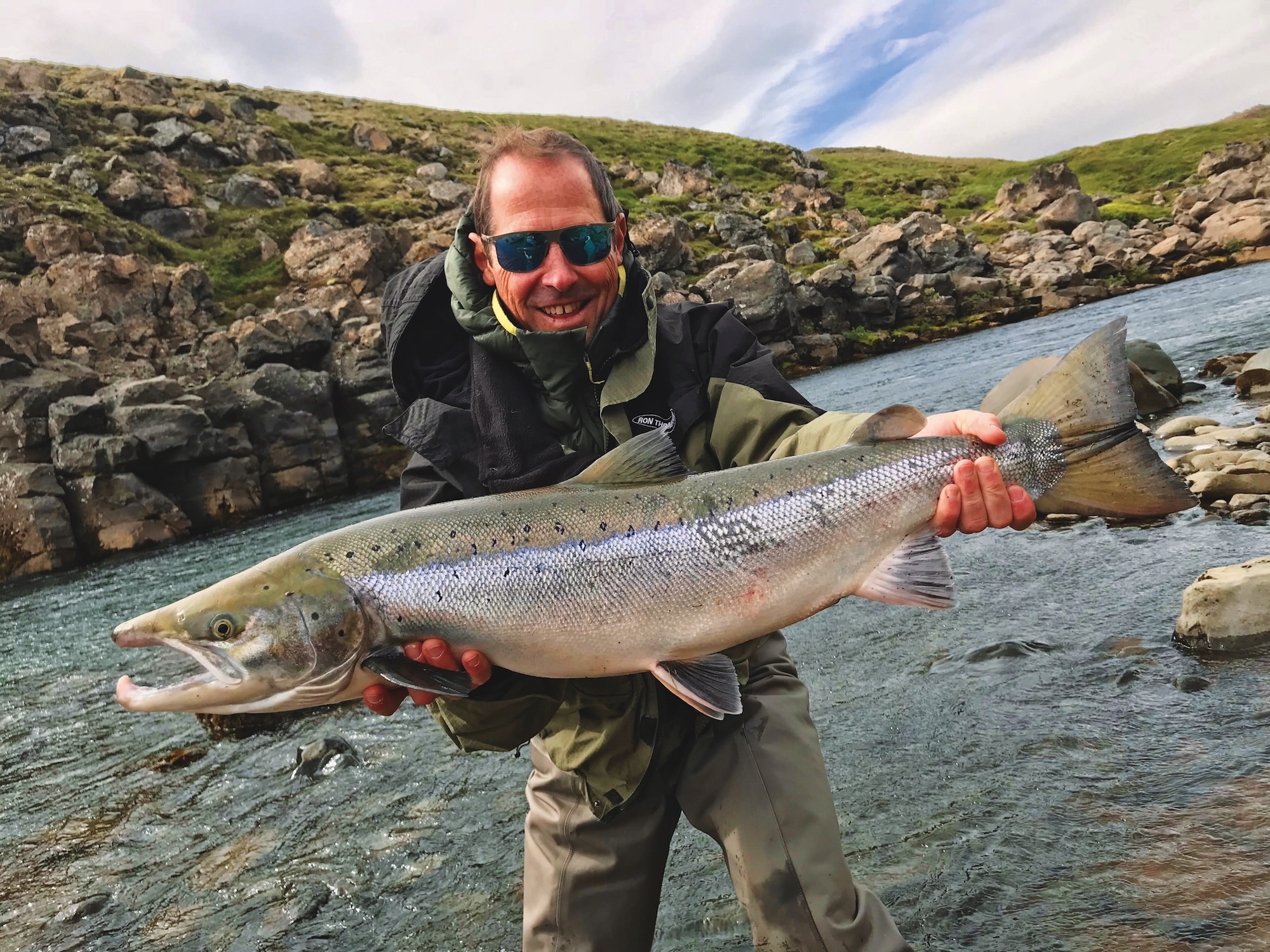
Each summer, Atlantic salmon return to the glacial rivers of northeastern Iceland, navigating thousands of miles of ocean to reach the waters where they were born.
Twelve years ago, that ancient migration was under serious threat, as stocks across the North Atlantic began to collapse at a catastrophic rate. In response, Six Rivers Iceland was established to intervene. The foundation leases and restores entire river systems, funding conservation through sustainable tourism.
“It became apparent that the numbers of North Atlantic salmon were starting to reduce pretty catastrophically,” says Glenn Turner, Chairman of Six Rivers Iceland. Across the wider North Atlantic, stocks have declined by more than 70% since the 1970s. Yet on the rivers under Six Rivers’ stewardship, the trajectory is beginning to reverse.
Six Rivers now oversees six of the most prolific salmon rivers in northeast Iceland, working in partnership with local river associations. Full control allows strict conservation rules to be applied consistently — something fragmented river ownership elsewhere often makes impossible. “When we have full control of a river, we’re able to impose our rules and our conservation methods,” Turner explains.
The model is built on three pillars: scientific research, community engagement and a commercial operation that sustains both. Catch and release is mandatory. Only dry fly fishing is permitted, with strict rod limits and compulsory guides. Larger fish are tagged to track migration patterns across the North Atlantic. “We’re able to count literally every fish that comes up,” Turner says of the underwater fish counters installed on key rivers.
Juvenile survival is central to the mission. Purpose-built fish ladders now bypass waterfalls that once blocked access to spawning grounds, opening vast stretches of river and restoring natural breeding routes. The impact is measurable: on one waterway, annual rod catches have increased from an average of 170 fish before conservation measures to more than 1,100 in recent years. “It’s almost a tenfold increase,” Turner says.
Reforestation underpins that recovery. When Vikings arrived, around 45% of Iceland was forested; a decade ago, that figure had fallen below 5%. Six Rivers now plants approximately 400,000 trees annually, with a target of one million by 2028. “It makes a big contribution all round,” Turner says, citing improved river health, soil stability and biomass for young salmon.
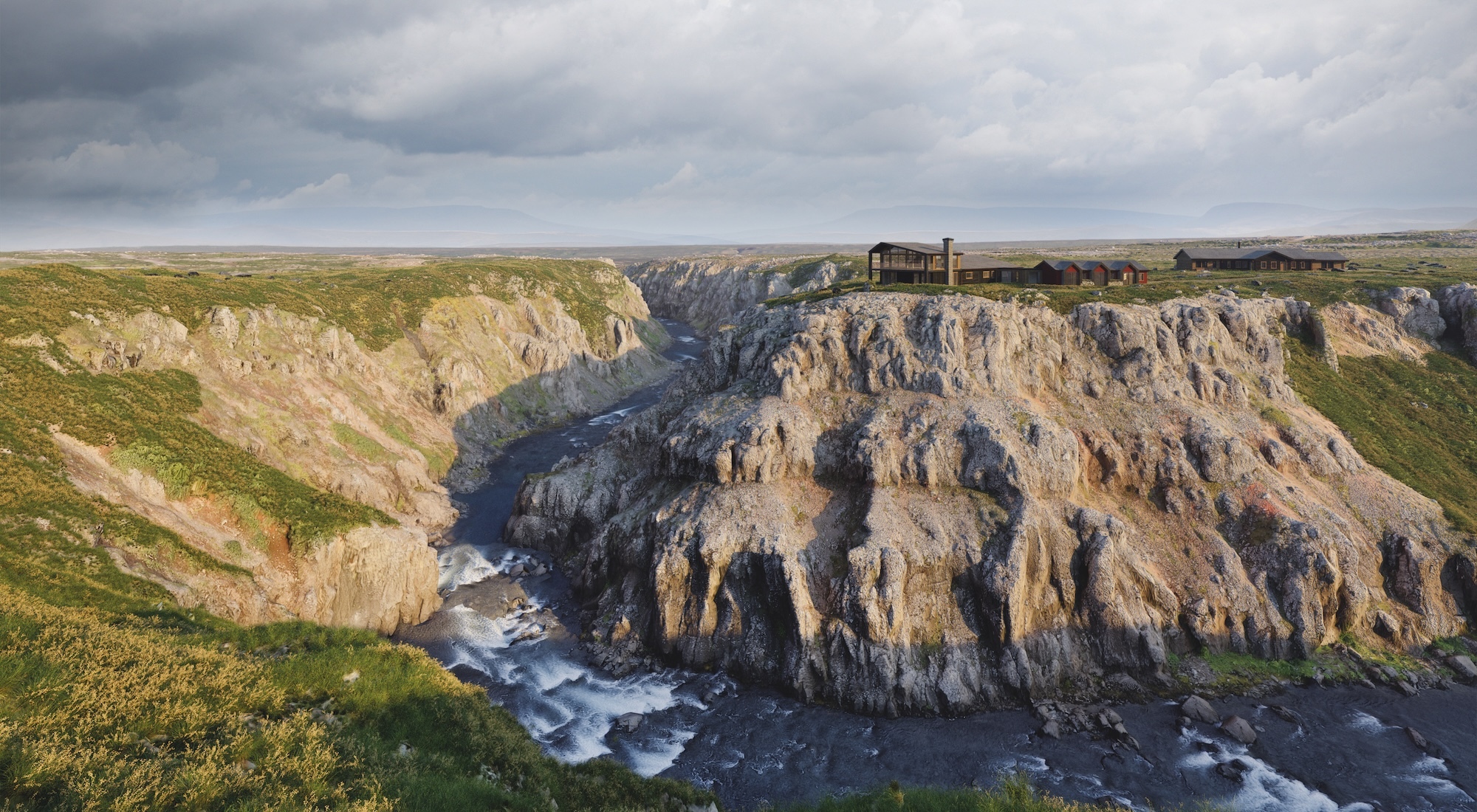
Visitors experience the work first-hand. On the Selá and Miðfjarðará rivers, high-end lodges host a limited number of guests each season. Only six rods are permitted on rivers stretching up to 50km, ensuring solitude and minimal impact. So strong is the appeal that there are waiting lists, and revenue is reinvested directly into conservation. Guests often go further than a stay, donating and underwriting fish passes or counters that will bear their names. “We’re attracting people who are interested in making a real difference,” Turner says.
The impact extends beyond ecology. Northeast Iceland is one of Europe’s more economically fragile rural regions, and investment in lodges, guiding and forestry has brought employment and long-term stability to local communities.
The Six Rivers model has since expanded into Africa, where the foundation supports anti-poaching and habitat protection in Tanzania’s Selous and Ruaha national parks, applying the same conservation-first philosophy on land as in water.
For travellers seeking more than scenery, the appeal lies in participation. Days are spent casting across cold, glacial rivers; evenings unfold in warm timber lodges beneath the northern lights. The privilege is not simply access to a river, but a role in its recovery.
To arrange a visit, contact the team and experience conservation in action.
Visit: sixriversfoundation.com
Cecil Wright Curates